Best Areas for a Food Walk in Delhi; (Chandni Chowk, Jama Masjid & More)
Delhi is a city where food is not just prepared—it is celebrated. Every neighborhood has its own taste, rhythm, and story, shaped by history, migration, and daily life. From centuries-old markets to lively residential hubs, the capital offers endless opportunities to explore its culinary identity. One of the most immersive ways to do this is through a food walk, where walking, eating, and learning come together.
In this blog, we explore the best areas in Delhi for a food walk, explaining what makes each location special and how it contributes to the city’s rich food culture. Whether you’re a first-time visitor or a curious local, these areas offer unforgettable flavors and experiences.
Why Delhi Is Ideal for a Food Walk Experience?
Delhi’s food culture is layered and deeply rooted in its past. Mughal rulers, Punjabi settlers, traders, and modern urban communities have all influenced what the city eats today. These influences are best understood when explored on foot.
A food walk allows you to observe cooking techniques, ingredient choices, and eating habits up close. You’re not just tasting food—you’re watching it being made, served, and enjoyed. Because many of Delhi’s food hubs are compact and walkable, it’s easy to sample a wide variety of dishes in a single outing.
Chandni Chowk: Where History and Flavor Meet
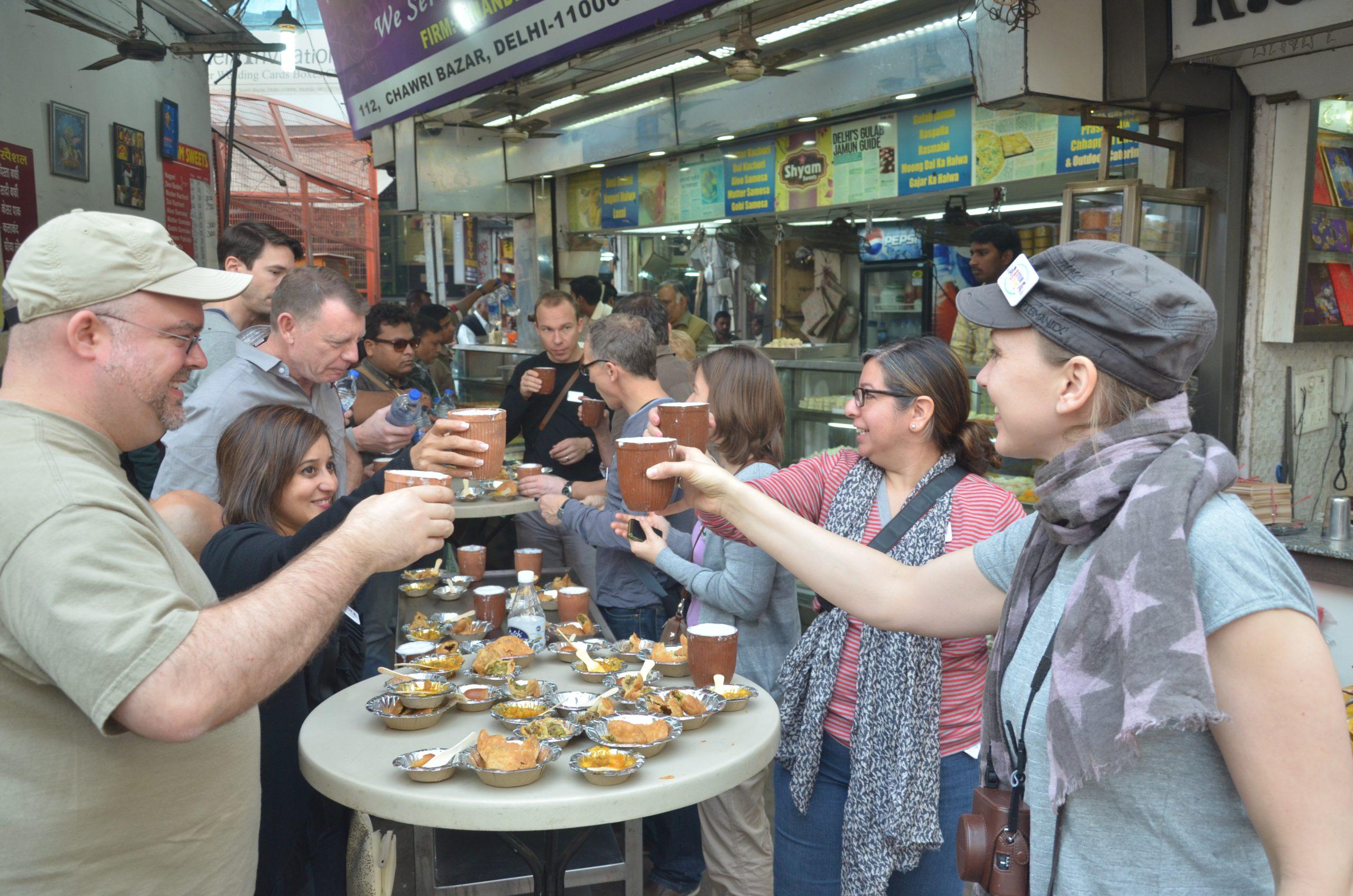
Chandni Chowk is often considered the soul of Delhi’s food scene. Established during the Mughal era, this historic market remains one of the most exciting places for a food walk.
The narrow streets are packed with food shops that have been operating for generations. Here, recipes are preserved with care, and flavors remain unchanged despite the passage of time. From rich gravies to crisp snacks and traditional sweets, Chandni Chowk offers a complete introduction to Old Delhi’s culinary heritage. Walking through this area feels like stepping into a living archive of Delhi’s food history.
Jama Masjid Area: Bold Flavors and Mughal Influence
Just a short walk from Chandni Chowk lies the Jama Masjid area, known for its strong non-vegetarian food culture. This neighborhood is a highlight of any serious food walk, especially for those who enjoy robust, spice-rich dishes.
The food here reflects Mughal culinary traditions, with slow-cooked meats, smoky kebabs, and deeply flavored curries. Evening hours are particularly vibrant, as grills fire up and food stalls draw large crowds. The experience is intense, aromatic, and deeply satisfying, making this area unforgettable for food lovers.
Old Delhi’s Lesser-Known Lanes: Local Secrets on Foot
Beyond the famous streets, Old Delhi hides many smaller lanes that are often overlooked but incredibly rewarding. These areas add depth and authenticity to a food walk. Here, food is cooked primarily for locals rather than visitors. The stalls are modest, the seating minimal, but the flavors are powerful. Exploring these quieter corners helps you understand how everyday Delhi eats, offering a more intimate and genuine food experience.
Connaught Place: Classic Delhi with a Modern Touch
Connaught Place presents a completely different side of Delhi’s food culture. With its colonial architecture and wide roads, it feels more open and relaxed compared to Old Delhi, making it an excellent choice for a food walk.
This area offers a mix of old establishments and modern food spots. You’ll find traditional snacks, timeless bakeries, and street-style dishes alongside newer culinary trends. Connaught Place reflects Delhi’s evolution, where tradition and modernity comfortably coexist.
Lajpat Nagar and Amar Colony: Everyday Street Food Culture
South Delhi neighborhoods like Lajpat Nagar and Amar Colony are perfect for those who want to experience contemporary street food. These areas are popular among students, office-goers, and families, making them ideal for a relaxed food walk.
The food here is affordable, filling, and constantly evolving. You’ll find a mix of classic street snacks and newer fusion items influenced by global tastes. This part of Delhi showcases how street food adapts to modern lifestyles while remaining rooted in local preferences.
Rajouri Garden and West Delhi Markets: Energy and Experimentation
West Delhi markets are known for their lively atmosphere and indulgent food. Rajouri Garden, in particular, is a favorite for evening outings and late-night cravings. Including this area in a food walk introduces you to Delhi’s more experimental and trend-driven food culture.
Here, you’ll encounter creative combinations, rich desserts, and crowd-pleasing snacks. The food is bold, often indulgent, and designed to impress both taste buds and social media feeds. It’s a great example of how Delhi’s food scene continues to reinvent itself.
Karol Bagh: Tradition Meets Urban Life
Karol Bagh offers a balanced mix of old and new, making it a strong contender for a food walk. The area attracts shoppers, working professionals, and families, creating a diverse crowd and equally diverse food options.
From traditional North Indian dishes to quick street bites and sweets, Karol Bagh reflects everyday urban eating habits. It shows how food fits seamlessly into daily life, making the experience both relatable and flavorful.
How to Choose the Right Area for Your Food Walk
Selecting the right area for a food walk depends on what kind of experience you’re looking for. If you’re drawn to history and age-old recipes, Old Delhi areas are ideal. If you prefer open spaces, variety, and comfort, Connaught Place or South Delhi markets may suit you better.
Each neighborhood tells a different story through its food. Understanding these differences helps you plan a walk that matches your interests, appetite, and time.
Tips for Enjoying a Food Walk in Delhi
Start with small portions so you can try more dishes. Follow the crowd—busy stalls usually indicate good quality and freshness. Stay hydrated, wear comfortable footwear, and keep an open mind. Delhi’s food culture rewards curiosity and patience.
A well-planned food walk is not about rushing from one stall to another. It’s about slowing down, observing, and connecting with the city through its flavors.
Final Thoughts
Delhi’s food landscape is vast, emotional, and endlessly fascinating. Every area offers something unique, shaped by history, people, and daily routines. Exploring these neighborhoods on foot gives you a deeper appreciation of how food reflects the city’s soul.
Whether you choose the historic lanes of Old Delhi or the vibrant markets of modern neighborhoods, a food walk in Delhi is an experience that stays with you long after the last bite.