How Food Tells the Story of Delhi: A Culinary Journey Through 1,000 Years of History
Delhi’s Food Is More Than Just Taste
Most visitors come to Delhi expecting incredible food.
What they don’t expect is that every bite tells a story.
Behind every kebab, every cup of chai, every crispy jalebi, and every buttery paratha lies centuries of history. Delhi isn’t just India’s capital—it’s a city that has welcomed emperors, traders, travelers, refugees, and communities from every corner of the country. Each wave of people brought new ingredients, cooking techniques, and traditions that slowly blended into the city’s unique culinary identity.
This is why Delhi’s food feels different from anywhere else in India.
A plate served in Old Delhi isn’t just lunch. It’s a reflection of hundreds of years of cultural exchange, family traditions, and local craftsmanship.
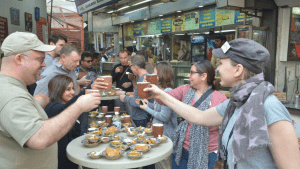
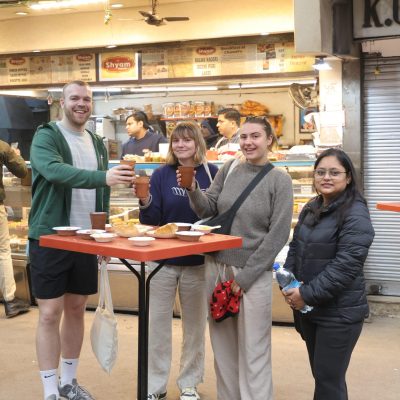
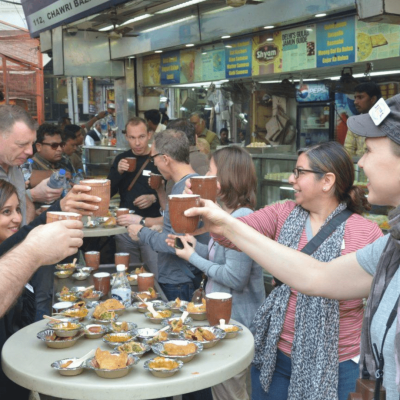
Many travelers initially join a Food Tour in Delhi because they want to try famous dishes. By the end of the experience, they often realize they’re learning much more than recipes—they’re discovering the history of the city itself.
Food becomes a way to understand Delhi’s people, neighborhoods, and traditions in a way that museums and guidebooks simply cannot offer.
 A City Built by Many Empires
 A City Built by Many Empires
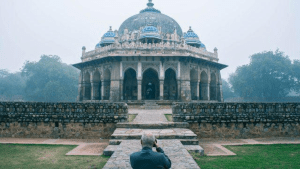
Delhi has been rebuilt many times over the past thousand years. Every ruler left behind monuments, markets, and, perhaps most importantly, new culinary traditions.
The Rajputs, Delhi Sultanate, Mughals, British, and later the communities that arrived after India’s independence all influenced what people cooked and ate.
Unlike many cities where local cuisine remains relatively unchanged, Delhi constantly evolved. New spices were introduced, cooking techniques improved, and recipes adapted to changing tastes.
This constant exchange created one of the world’s most diverse food cultures.
Walk through the streets today and you’ll find recipes whose origins can be traced back hundreds of years, served just a few steps away from modern cafés and contemporary restaurants.
That’s what makes Delhi such an exciting destination for food lovers.
Every neighborhood tells a different chapter of the city’s history.
How the Mughals Changed Delhi’s Cuisine Forever
 How the Mughals Changed Delhi’s Cuisine Forever
If there’s one dynasty that transformed Delhi’s food culture more than any other, it was the Mughal Empire.
When the Mughals made Delhi one of their capitals, they brought sophisticated royal kitchens, skilled chefs, and culinary traditions from Persia, Central Asia, and Afghanistan.
Instead of simple cooking, meals became celebrations of craftsmanship.
Slow cooking techniques such as dum cooking allowed meat to become tender while absorbing layers of spices and aromas. Rich gravies made with yogurt, cream, nuts, and fragrant spices became symbols of Mughal hospitality.
Many dishes that tourists associate with Indian cuisine today have roots in this period.
Kebabs became more refined.
Biryani evolved into a royal feast.
Nihari, korma, sheermal, and roomali roti became favorites among nobles before gradually becoming popular across the city.
Even today, walking through Old Delhi allows visitors to experience recipes that have changed very little over generations.
Many family-run establishments continue preparing dishes using techniques passed down for decades, sometimes even centuries.
This connection between history and food is one of the reasons a guided Food Tour in Delhi offers much more than simply tasting famous dishes.
Instead of just eating, visitors begin to understand why these recipes exist and how they became part of Delhi’s identity.
Why Chandni Chowk Became India’s Greatest Food Street
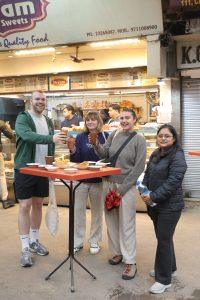
No discussion about Delhi’s food history is complete without mentioning Chandni Chowk.
Established in the 17th century by Mughal princess Jahanara Begum, Chandni Chowk quickly became one of the busiest marketplaces in Asia.
Merchants arrived from across India and beyond, bringing spices, dried fruits, tea, sweets, grains, and culinary traditions from their own regions.
As trade flourished, so did food.
Street vendors began serving workers, traders, and travelers looking for affordable meals. Over time, many of these small food stalls grew into legendary family businesses that are still operating today.
Unlike modern food courts, Chandni Chowk evolved organically.
Every lane developed its own specialty.
One street became known for stuffed parathas.
Another for jalebis.
Elsewhere, visitors could enjoy creamy lassi, spicy chaat, freshly fried kachoris, or slow-cooked Mughlai delicacies.
What makes Chandni Chowk truly special isn’t just the food—it’s the continuity.
Many shops proudly preserve recipes that have been handed down through four or five generations. The cooking methods remain traditional, and the passion for serving authentic flavors is as strong as ever.
For first-time visitors, wandering through these narrow lanes alone can feel overwhelming. A knowledgeable guide helps connect each dish with its history, making the experience far more meaningful than simply stopping at random food stalls.
That’s why a well-planned Food Tour in Delhi isn’t just about tasting iconic dishes—it’s about understanding the people, stories, and traditions that have shaped the city’s culinary landscape over centuries.
The British Influence on Delhi’s Food Culture
When people think about Delhi’s food, they often imagine Mughlai dishes and bustling street markets. However, another chapter of the city’s culinary story began during British rule.
As the British developed New Delhi in the early 20th century, they introduced new dining styles, bakeries, clubs, cafés, and restaurants. Ingredients like bread, cutlets, puddings, sandwiches, and baked goods became increasingly common among Delhi’s growing urban population.
But something interesting happened.
Instead of replacing traditional Indian food, Delhi adapted these influences and made them its own.
Take bakery products, for example. Today, many local bakeries sell items inspired by European recipes but flavored with Indian spices, cardamom, saffron, or seasonal fruits. Even simple snacks like vegetable patties or cream rolls have become part of Delhi’s everyday food culture.
This ability to absorb outside influences while preserving traditional recipes is one of the reasons Delhi’s culinary scene feels so vibrant today.
The city never stopped evolving—and that’s exactly what makes exploring its food so fascinating.
Partition Changed Delhi’s Food Forever
One of the biggest turning points in Delhi’s food history came in 1947 during the Partition of India.
Thousands of families from present-day Pakistan settled in Delhi, bringing their recipes, cooking techniques, and entrepreneurial spirit with them.
Many famous restaurants that people visit today were founded by families who rebuilt their lives in Delhi after Partition.
Punjabi cuisine became deeply woven into the city’s identity.
Butter Chicken.
Dal Makhani.
Tandoori Chicken.
Stuffed Kulchas.
Rich paneer curries.
These dishes gradually became symbols of Delhi itself.
At the same time, countless family recipes survived because people continued preparing them at home, preserving traditions despite enormous change.
When visitors enjoy these meals today, they are tasting not only delicious food but also stories of resilience, migration, and cultural adaptation.
This emotional connection is one of the reasons food in Delhi feels so personal.
Every recipe carries a history.
Every family adds its own chapter.
Every Neighborhood Has Its Own Food Story
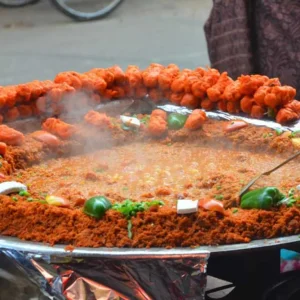 Every Neighborhood Has Its Own Food Story
One of the biggest mistakes visitors make is assuming that Delhi has one single food culture.
In reality, every neighborhood offers a completely different experience.
Old Delhi is famous for centuries-old Mughlai recipes, traditional sweets, and legendary street food.
Karol Bagh reflects the influence of Punjabi families who settled there after Partition.
CR Park offers some of the city’s best Bengali cuisine.
Majnu Ka Tilla introduces visitors to authentic Tibetan flavors.
South Delhi combines traditional Indian restaurants with modern cafés and international dining experiences.
Even local markets have their own specialties.
Some areas are known for breakfast.
Others come alive after sunset.
Some are famous for vegetarian delicacies, while others attract visitors looking for slow-cooked kebabs or traditional desserts.
This incredible diversity means there is no single “Delhi food.”
Instead, there are hundreds of food stories waiting to be discovered.
That is why experienced local guides don’t simply recommend restaurants—they explain how each neighborhood became famous for particular dishes and how local communities shaped today’s culinary landscape.
Food Is the Fastest Way to Understand Delhi’s Culture
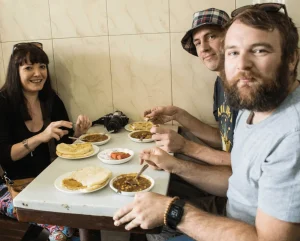 Food Is the Fastest Way to Understand Delhi’s Culture
Most travelers visit monuments.
Some explore markets.
A few attend cultural performances.
But food brings all these experiences together.
Sharing a meal with local people offers insights that guidebooks rarely provide.
While sitting at a family-run restaurant or tasting recipes that have been prepared for generations, visitors begin hearing stories about festivals, traditions, family celebrations, religious customs, and everyday life.
Suddenly, a simple cup of chai becomes a conversation.
A plate of chaat becomes a history lesson.
A traditional dessert becomes part of a family memory.
This is why many experienced travelers now choose cultural experiences over ordinary sightseeing.
Food helps people connect with Delhi on a much deeper level.
Instead of simply seeing the city, they begin understanding it.
From Tasting Food to Learning How to Cook It
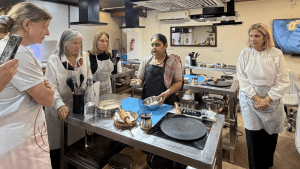 From Tasting Food to Learning How to Cook It
For many visitors, tasting authentic Indian food is only the beginning.
After discovering the incredible variety of flavors during a Food Tour in Delhi, many travelers become curious about how these dishes are actually prepared.
What makes Indian spices so aromatic?
Why are certain ingredients added at different stages of cooking?
How do local families create recipes that taste completely different from those served abroad?
One of the best ways to answer these questions is by joining a hands-on Cooking Class in Delhi.
Rather than simply watching a demonstration, participants learn directly from local hosts, prepare authentic recipes themselves, and gain a deeper understanding of India’s rich culinary traditions.
If you’re looking to continue your cultural journey after exploring Delhi’s food streets, you can experience an authentic Cooking Class in Delhi with Khudrang, where travelers learn traditional recipes, understand Indian spices, and discover the stories behind every dish.
This combination of a food tour and a cooking class allows visitors to experience Indian cuisine from two different perspectives—first as curious food lovers, and then as confident home cooks.
For many international guests, it becomes one of the most memorable parts of their trip to India.
Why Guided Food Tours Create Better Memories
Anyone can search online for the “best places to eat in Delhi.”
But knowing what to eat is very different from understanding why it matters.
A guided food tour introduces visitors to hidden family-run eateries, explains the history behind famous recipes, shares local traditions, and helps travelers discover places they might never find on their own.
Instead of returning home with just photographs, visitors leave with stories they can share for years.
And that’s the real magic of Delhi’s food.
It doesn’t simply satisfy your appetite.
It connects you with the city’s history, its people, and its culture.
Final Thoughts: Every Bite Has a Story
Delhi is often called the food capital of India, but its true magic lies beyond the flavors. Every dish reflects centuries of migration, trade, royal traditions, family recipes, and cultural exchange. From the grand Mughal kitchens to the lively streets of Chandni Chowk, every meal tells a story that has been passed down through generations.
A Food Tour in Delhi is more than a chance to taste famous dishes. It is an opportunity to explore hidden lanes, meet passionate local vendors, hear fascinating stories, and understand how food has shaped the city’s identity for over a thousand years.
Whether you’re enjoying crispy chaat in Old Delhi, sipping a cup of masala chai in a local market, or tasting a recipe that has remained unchanged for decades, you’ll discover that Delhi’s cuisine is deeply connected to its people and history.
For travelers who want to take their experience one step further, learning how these dishes are prepared can be just as rewarding as tasting them. After exploring Delhi’s vibrant food scene, many guests choose to join a Cooking Class in Delhi at Khudrang, where they learn traditional recipes, understand Indian spices, and experience Indian hospitality inside a local home.
Together, a guided food tour and a hands-on cooking class create a complete cultural journey—one that allows you to experience Delhi not only through its streets but also through its kitchens.
If you truly want to understand Delhi, start with its food. Every bite has a story, and every story brings you closer to the heart of the city.
Frequently Asked Questions
1. Why is Delhi considered one of the best food cities in India?
Delhi’s food culture has evolved over centuries, blending Mughal, Punjabi, Old Delhi, and regional Indian cuisines. This rich mix of influences makes the city one of the most diverse culinary destinations in the country.
2. What can I expect on a Food Tour in Delhi?
A typical Food Tour in Delhi includes visits to iconic local eateries, hidden gems, bustling markets, and family-run food shops where you can taste authentic dishes while learning about their history and cultural significance.
3. Is Delhi street food safe for international travelers?
Yes, if you choose a well-organized guided food tour. Reputable food tours carefully select trusted vendors that maintain high standards of hygiene and food quality.
4. Which part of Delhi has the best street food?
Old Delhi is the most famous area for traditional street food, but neighborhoods like Karol Bagh, CR Park, and Majnu Ka Tilla also offer unique culinary experiences.
5. What makes Old Delhi’s food different from other parts of the city?
Old Delhi is home to many family-run eateries that have preserved recipes for generations. The area is known for its authentic Mughlai cuisine, traditional sweets, and legendary street food.
6. Can vegetarians enjoy a Food Tour in Delhi?
Absolutely. Delhi has an incredible variety of vegetarian dishes, including chaat, stuffed parathas, chole bhature, kachori, lassi, traditional desserts, and many regional specialties.
7. What is the best time to take a Food Tour in Delhi?
Food tours are enjoyable throughout the year, but the cooler months from October to March offer the most comfortable weather for exploring Delhi’s markets and historic neighborhoods.
8. Can I combine a Food Tour with a Cooking Class in Delhi?
Yes. Many travelers enjoy a Food Tour first and then join a Cooking Class in Delhi to learn how authentic Indian dishes are prepared using traditional techniques and fresh spices.
9. How long does a typical Food Tour in Delhi last?
Most guided food tours last between 3 and 4 hours, giving visitors enough time to explore different neighborhoods, taste a variety of dishes, and learn about Delhi’s rich food heritage.
10. Why should I choose a guided Food Tour instead of exploring on my own?
A local guide helps you discover hidden food spots, explains the history behind each dish, recommends trusted vendors, and shares stories that you would likely miss when exploring independently.
Author Box
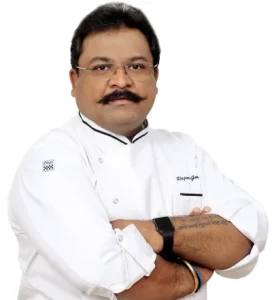 Rajeev Goyal
Founder – Food Tour in Delhi
Rajeev Goyal is the founder of Food Tour in Delhi and has spent years introducing travelers to the city’s rich culinary heritage. Through carefully curated food tours, he helps visitors discover hidden eateries, family-run kitchens, and the stories behind Delhi’s most iconic dishes. His mission is to create authentic cultural experiences that go beyond sightseeing and leave travelers with unforgettable memories of India’s food and traditions.
Explore More: https://foodtourindelhi.com/